How Your Circadian Rhythm Actually Controls When You Feel Sleepy
Your internal 24-hour clock decides when you feel alert or drowsy. Learn how light, the SCN, and melatonin set your circadian rhythm every single day.
 Elise Moreau
Sleep & Circadian Editor
Elise has spent years reading the sleep literature and, more importantly, testing it against real life. She translates circadian science into plain, usable advice, and is careful to separate what's well-evidenced from what merely sells sleep gadgets.
Articles
Your internal 24-hour clock decides when you feel alert or drowsy. Learn how light, the SCN, and melatonin set your circadian rhythm every single day.
Elise Moreau

Sleep debt accumulates fast but repays slowly. Learn what a night of lost sleep really costs and whether weekend catch-up can ever square the account.
Elise Moreau
Night owl, morning lark, or somewhere between? Discover how your genetic chronotype shapes your ideal bedtime, peak focus hours, and social jet lag.
Elise Moreau

Deep sleep repairs your body while REM consolidates memory and mood. Learn which stage matters more, how much you need, and what happens when you skimp.
Elise Moreau
Melatonin is your body's darkness signal, not a sedative. Learn when it naturally peaks, how light suppresses it, and why timing beats dosage.
Elise Moreau
Sleep pressure builds from the moment you wake as adenosine accumulates in your brain. Here is how it works and why caffeine only borrows time from it.
Elise Moreau
Exercise deepens sleep, but timing matters. Learn how morning, afternoon, and evening workouts affect your rest, and when to stop for better shut-eye.
Elise Moreau

A well-timed nap boosts alertness without wrecking your night. Learn the ideal nap length, the best time of day, and how to avoid grogging out.
Elise Moreau
Caffeine can linger in your system for hours and quietly steal deep sleep. Learn how late is too late for coffee based on your own sensitivity.
Elise Moreau
During REM your brain is nearly as active as when awake, yet your body is paralyzed. Explore what dreaming, memory, and emotion do during this stage.
Elise Moreau
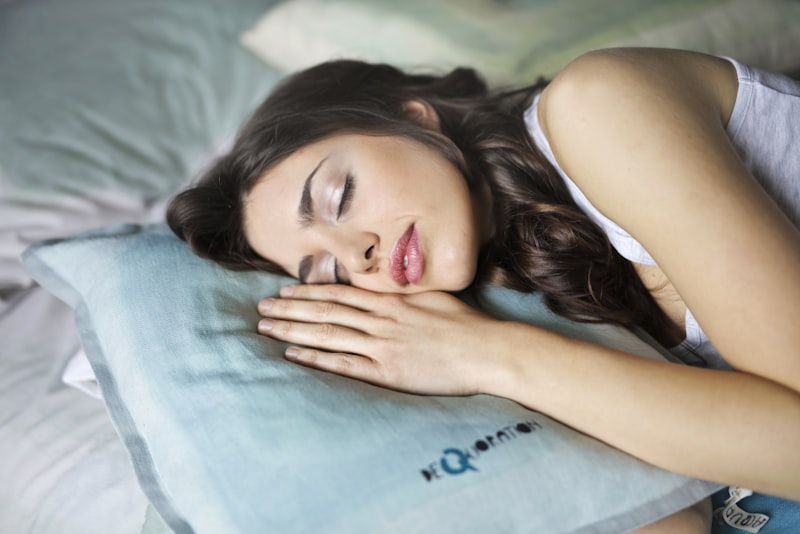
From light N1 drifting to deep slow-wave sleep and vivid REM, here is what each stage of a sleep cycle does for your brain and body while you rest.
Elise Moreau