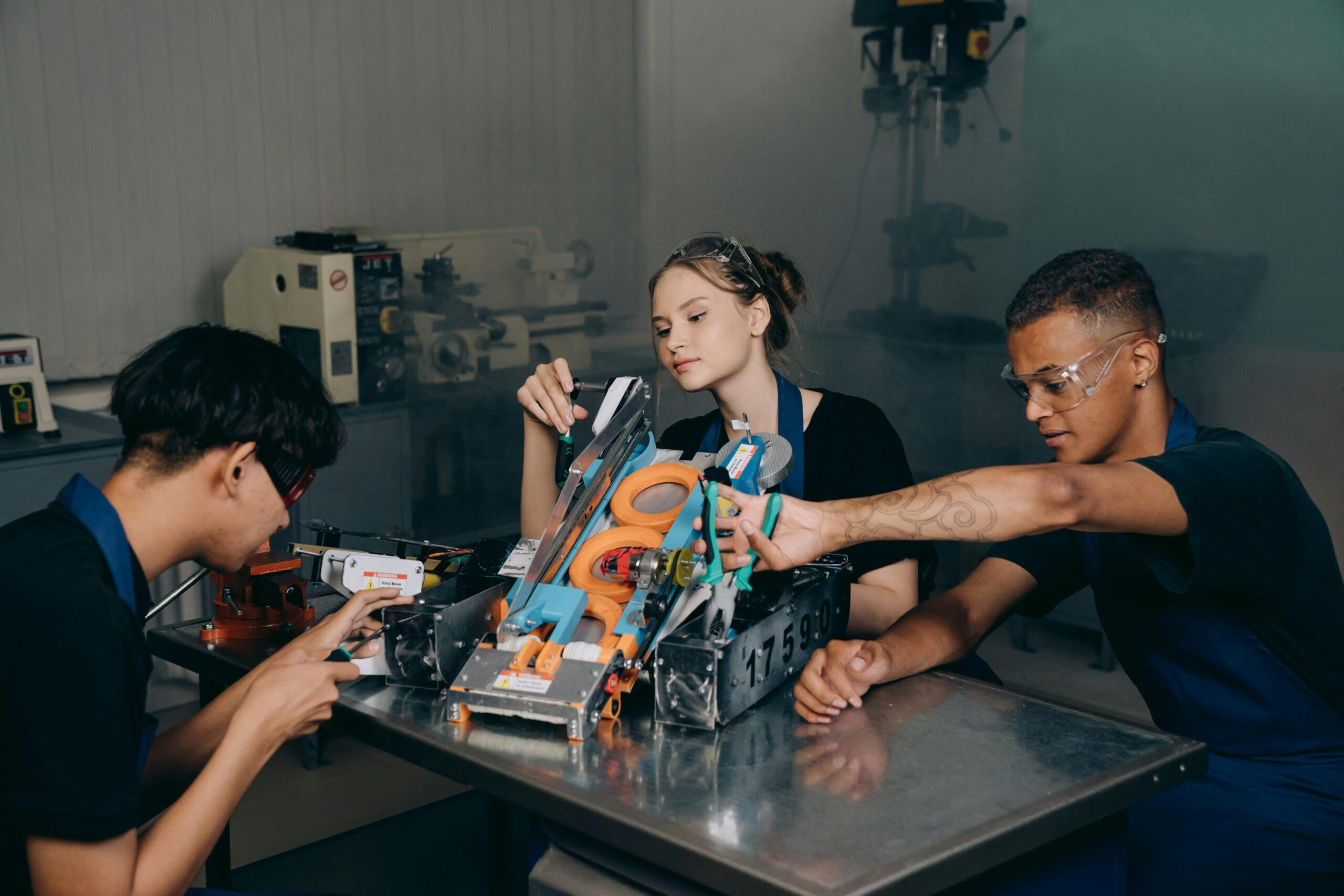
Robots are no longer confined to factory floors—they’re now saving lives in environments too dangerous for humans, transforming how we approach workplace safety and emergency response worldwide.

🤖 The Dawn of Robotic Safety Solutions
The integration of robotics into high-risk scenarios represents one of the most significant technological achievements of the 21st century. Industries that once accepted human casualties as an unfortunate reality are now experiencing unprecedented safety improvements through robotic intervention. From nuclear disaster sites to deep-sea exploration, these mechanical guardians are stepping into situations where human presence would be fatal.
Advanced technology has evolved robots from simple mechanical arms to sophisticated systems equipped with artificial intelligence, machine learning capabilities, and sensor arrays that surpass human perception. These developments have fundamentally changed the safety landscape across multiple industries, reducing workplace fatalities while simultaneously improving operational efficiency.
The economic impact of robotic safety solutions extends beyond preventing loss of life. Companies implementing these technologies report substantial reductions in insurance costs, liability claims, and operational downtime. More importantly, workers return home safely to their families every day, a benefit that transcends monetary value.
Nuclear Disaster Response: Robots Where Humans Cannot Go ☢️
The Fukushima Daiichi nuclear disaster in 2011 marked a turning point in robotic disaster response technology. Radiation levels inside the damaged reactors were immediately fatal to humans, creating an impossible situation for traditional cleanup crews. Enter specialized robots designed to withstand extreme radiation while performing critical tasks.
These nuclear response robots feature radiation-hardened electronics, replaceable components, and remote operation capabilities that allow human operators to remain at safe distances. Equipped with cameras, radiation sensors, and manipulator arms, they navigate through debris-filled corridors, map radiation levels, and remove contaminated materials piece by piece.
Modern nuclear inspection robots have become increasingly sophisticated, incorporating technologies like:
- Advanced imaging systems including thermal and radiation mapping cameras
- Autonomous navigation algorithms that adapt to changing environments
- Swarm intelligence allowing multiple robots to collaborate on complex tasks
- Self-repairing mechanisms to extend operational lifetime in hostile conditions
- Real-time data transmission providing instant situational awareness
The lessons learned from Fukushima have accelerated development of even more capable nuclear response robots, ensuring future incidents can be managed with minimal human exposure to deadly radiation.
Mining Operations: Digging Deeper Without the Danger
Underground mining has historically ranked among the world’s most dangerous occupations. Cave-ins, gas explosions, equipment failures, and toxic atmospheres claim thousands of lives annually. Robotic mining systems are revolutionizing this ancient industry by removing workers from the most hazardous situations while maintaining productivity.
Autonomous drilling rigs now operate in mines worldwide, executing precise drilling patterns without human operators sitting in potentially unstable areas. These machines work continuously, unaffected by fatigue, and can instantly shut down when sensors detect dangerous conditions like methane accumulation or structural instability.
Remote-controlled load-haul-dump vehicles transport materials through underground tunnels, eliminating the need for human drivers in confined spaces with poor air quality. Operators control these vehicles from surface control centers, viewing multiple camera feeds and sensor data in real-time while breathing clean air and working in comfortable conditions.
The Economics of Safer Mining
Mining companies investing in robotic systems report remarkable returns on investment. Beyond the moral imperative of protecting workers, automated mining operations demonstrate significant advantages:
| Benefit Category | Impact |
|---|---|
| Accident Reduction | 70-90% decrease in serious injuries |
| Operational Continuity | 24/7 operations without shift changes |
| Productivity Increase | 15-30% improvement in material extraction |
| Labor Cost Optimization | Fewer workers in hazardous zones |
| Equipment Longevity | Consistent operation reduces wear patterns |
🔥 Firefighting Robots: Battling Blazes Without Breathing Smoke
Structure fires, chemical plant blazes, and wildfire containment push human firefighters to their physiological limits. Heat exhaustion, smoke inhalation, and structural collapse threaten even the most experienced firefighting teams. Robotic firefighters are emerging as valuable force multipliers, handling the most dangerous aspects of fire suppression.
Thermite RS3, developed by Howe and Howe Technologies, exemplifies next-generation firefighting robotics. This tracked vehicle delivers 2,500 gallons of water per minute while withstanding extreme temperatures that would incapacitate human firefighters within seconds. Remote operators position these robots directly in inferno conditions, suppressing flames while human teams coordinate strategy from safe distances.
Airport firefighting robots respond to aircraft emergencies, approaching burning jet fuel fires that generate temperatures exceeding 1,000 degrees Celsius. Their thermal imaging systems identify hot spots invisible to human eyes, while foam dispensing systems create fire-suppressing blankets over massive areas.
Urban firefighting drones are revolutionizing building fire response. These aerial robots carry thermal cameras that identify trapped occupants through smoke and walls, directing ground teams to exact locations. Some experimental models even carry fire-retardant payloads, attacking flames from above while mapping safe evacuation routes.
Bomb Disposal: Defusing Danger from a Distance 💣
Explosive ordnance disposal remains among the most psychologically intense and physically dangerous occupations. A single mistake costs lives instantly. Bomb disposal robots have become indispensable tools for military and civilian bomb squads, performing initial investigations, manipulating suspicious devices, and conducting controlled detonations without risking human operators.
Modern EOD robots feature sophisticated manipulator arms with haptic feedback, allowing operators to “feel” objects they’re handling despite being hundreds of meters away. High-definition cameras provide multiple viewing angles, while X-ray systems reveal internal device construction without physical contact.
These robots have saved countless lives since their widespread adoption. During military operations in Iraq and Afghanistan, EOD robots neutralized thousands of improvised explosive devices that would have otherwise required human technicians to approach directly. Civilian bomb squads use similar systems to investigate suspicious packages in airports, government buildings, and public spaces.
The Psychology of Remote Danger
Interestingly, bomb disposal operators report that working through robots creates psychological distance from danger, reducing acute stress responses while maintaining focus and decision-making quality. This mental health benefit represents an often-overlooked advantage of robotic intervention in high-risk scenarios.
Deep Sea Exploration: Pressure-Proof Pioneers 🌊
The ocean depths present conditions as hostile as outer space—crushing pressure, absolute darkness, near-freezing temperatures, and complete isolation. Human divers can safely work only to limited depths, while deeper operations required expensive and dangerous submersible vessels with human crews.
Remotely operated vehicles (ROVs) and autonomous underwater vehicles (AUVs) have transformed underwater operations. These robots routinely work at depths that would instantly crush human bodies, performing infrastructure inspections, scientific research, and emergency repairs on underwater installations.
Oil and gas industry ROVs maintain subsea production systems thousands of meters below the surface, executing complex mechanical operations through sophisticated manipulator systems. Operators aboard surface vessels control these robots in real-time, viewing high-definition video feeds and monitoring numerous sensors simultaneously.
Scientific research benefits enormously from these underwater robots. Marine biologists study deep-sea ecosystems without disturbing them with human presence. Archaeologists explore ancient shipwrecks at depths unreachable by human divers. Geologists sample the ocean floor, advancing our understanding of tectonic processes.
🏗️ Construction Robotics: Building Without Breaking Bones
Construction sites account for disproportionate workplace injuries and fatalities. Falls from height, heavy equipment accidents, and material handling injuries plague this essential industry. Robotic construction systems are beginning to address these hazards systematically.
Autonomous bricklaying robots like SAM (Semi-Automated Mason) work alongside human masons, handling the physically demanding and repetitive task of placing bricks while human craftspeople perform finishing work. This collaboration reduces repetitive strain injuries while maintaining quality and craftsmanship.
Demolition robots enter structurally compromised buildings, breaking down walls and removing materials without exposing workers to collapse risks. These machines navigate unstable floors and weakened structures that building inspectors might condemn for human entry.
Exoskeleton systems, while not fully robotic, augment human workers’ capabilities by redistributing weight and providing mechanical assistance for lifting heavy materials. Construction workers wearing these devices report significantly reduced fatigue and strain, potentially extending careers while reducing injury rates.
The Technology Powering Safety Revolution
Several key technological advances enable robots to function effectively in high-risk environments:
- Artificial Intelligence and Machine Learning: Robots now make autonomous decisions based on environmental conditions, learning from experience to improve performance over time
- Advanced Sensor Arrays: LIDAR, thermal imaging, gas detection, and pressure sensors provide situational awareness exceeding human capabilities
- 5G Connectivity: Low-latency communication enables real-time remote operation with minimal delay between operator input and robot response
- Battery Technology: Improved energy density allows extended operation times without human intervention for recharging
- Ruggedization Techniques: Advanced materials and engineering allow robots to survive extreme temperatures, pressure, impacts, and corrosive environments
- Computer Vision: Sophisticated image processing enables robots to identify objects, navigate complex environments, and execute precise manipulations
🚀 Future Horizons: Where Safety Robotics Heads Next
The trajectory of safety robotics points toward increasingly autonomous systems requiring less human oversight. Future developments promise even greater worker protection across additional industries:
Space construction robots will assemble orbital facilities and lunar bases, eliminating human exposure to radiation and vacuum conditions during dangerous assembly operations. These robots will work continuously without life support systems, constructing habitats that humans will occupy only after completion.
Medical emergency robots are under development to provide first response in contaminated or structurally unsafe areas. These machines could stabilize injured persons in chemical spill zones or collapsed buildings before human paramedics can safely enter.
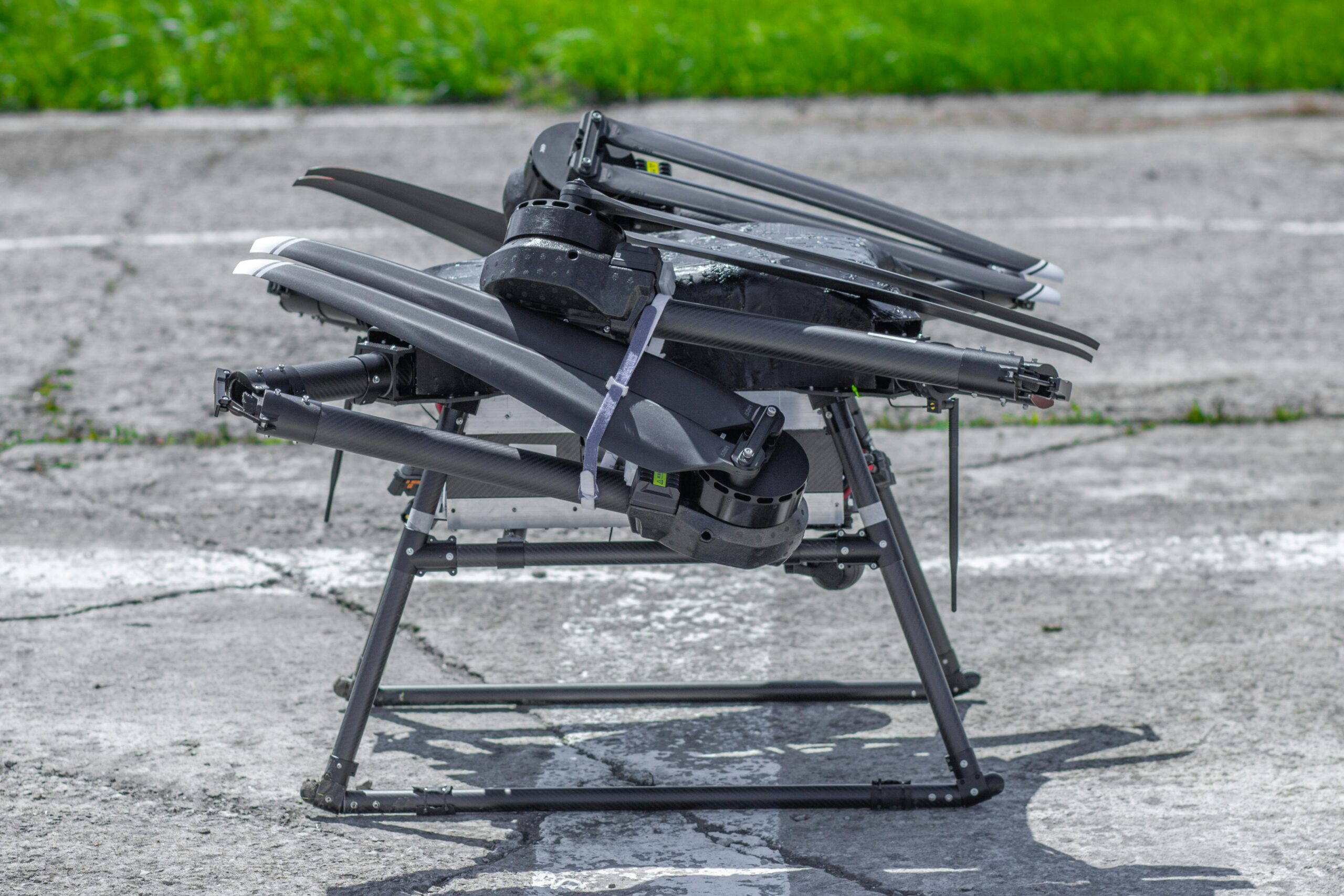
Disaster assessment drones will swarm through hurricane-damaged areas, earthquake rubble, and flood zones, mapping damage and locating survivors while human rescue teams organize response efforts based on comprehensive data rather than dangerous reconnaissance missions.
Ethical Considerations and Workforce Transition
The expansion of robotics into high-risk roles raises important questions about workforce displacement. While removing humans from danger is unambiguously positive, workers in affected industries require support for transitioning to new roles, often as robot operators, maintainers, or supervisors.
Progressive companies are investing heavily in retraining programs, ensuring that experienced workers aren’t left behind by technological advancement. A coal miner with decades of underground experience possesses invaluable knowledge for operating mining robots effectively, understanding ground conditions and recognizing warning signs that might elude less experienced operators.
Implementation Challenges and Solutions 🔧
Despite obvious benefits, deploying robots in high-risk scenarios presents significant challenges. Initial capital costs remain substantial, potentially limiting adoption among smaller operators. However, government incentive programs and declining equipment costs are gradually addressing this barrier.
Technical reliability in extreme conditions requires rigorous engineering and extensive testing. Robots operating in life-or-death situations must demonstrate exceptional dependability. Industry standards and certification programs are evolving to ensure only proven systems are deployed in critical applications.
Operator training represents another consideration. Effectively controlling sophisticated robots requires specialized skills. Training programs modeled on pilot certification are emerging, creating new career paths for technically inclined workers while ensuring operational competency.
Measuring Success: Lives Saved and Risks Reduced 📊
Quantifying the impact of safety robotics reveals compelling evidence of their effectiveness. Industries adopting robotic systems report dramatic reductions in serious injuries and fatalities. Mining operations using autonomous equipment show injury rates declining by over 70% in some cases. Nuclear facilities employing robotic inspection systems have eliminated radiation exposure incidents for maintenance personnel.
Beyond statistics, the human stories matter most. Firefighters who return home uninjured after robots handled the most dangerous aspects of structural fires. Bomb technicians who successfully neutralized threats without personal risk. Oil rig workers who avoid deep-sea diving dangers while robots perform subsea maintenance. These individual victories accumulate into industry-wide safety transformations.
Collaborative Future: Humans and Robots Working Together
The ultimate vision for safety robotics isn’t complete human replacement but optimal collaboration. Humans provide judgment, creativity, ethical reasoning, and adaptability. Robots contribute tireless endurance, precision, and imperviousness to environmental hazards. Together, this partnership achieves outcomes neither could accomplish alone.
Next-generation systems will feature increasingly intuitive human-robot interfaces, allowing operators to control complex machines as naturally as driving vehicles. Haptic feedback systems will provide tactile sensations, enabling delicate manipulation tasks through robotic proxies. Augmented reality displays will overlay sensor data onto operator vision, creating comprehensive situational awareness.
The revolution in safety through robotics continues accelerating, driven by technological advancement and growing recognition that no job justifies risking human life unnecessarily. As these systems become more capable, affordable, and widespread, industries worldwide are embracing a future where dangerous work doesn’t mean endangered workers. The robots aren’t replacing humans—they’re protecting them, allowing people to contribute their unique capabilities while machines handle the hazards that once made certain occupations tragically dangerous.