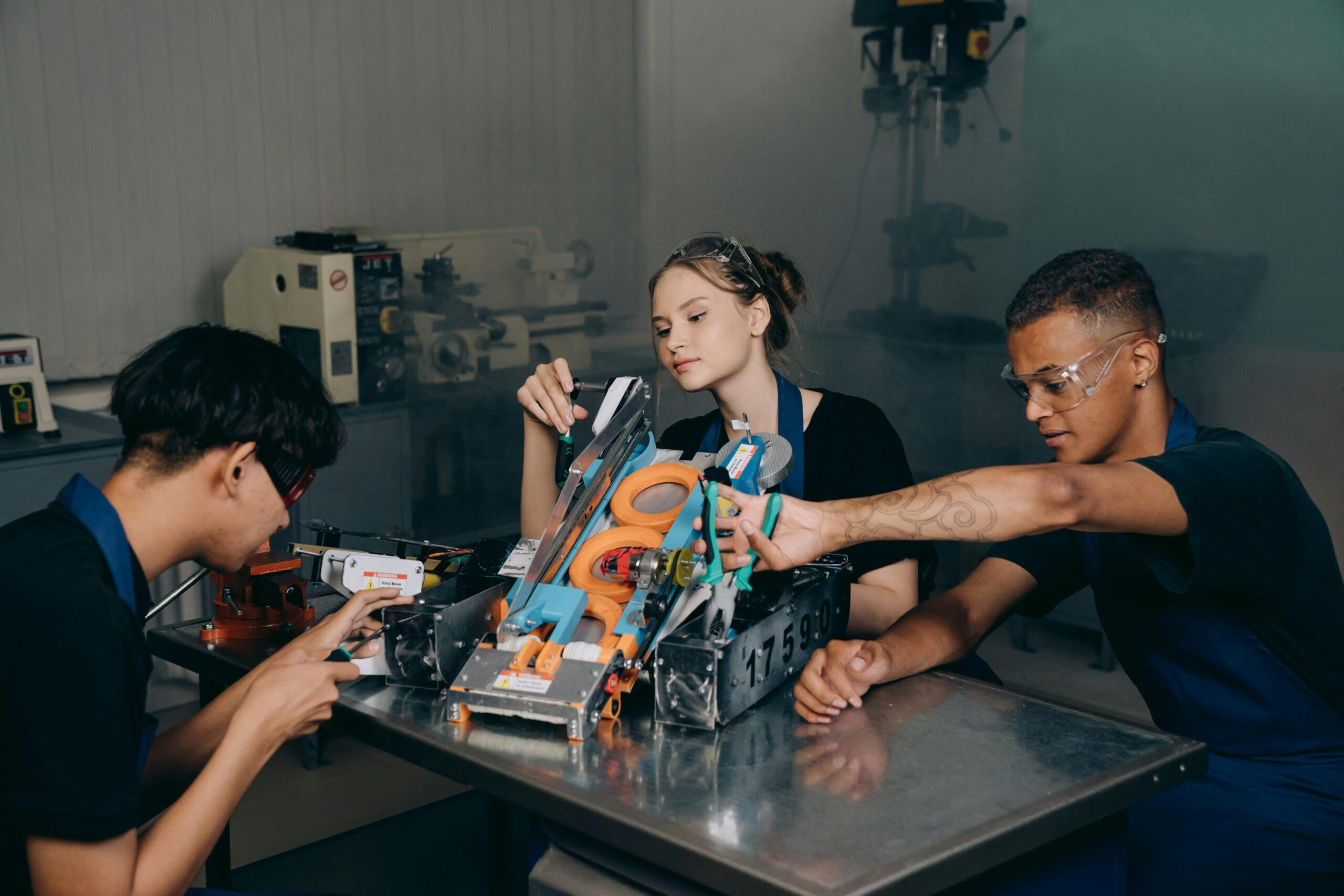
As robots increasingly enter our most intimate spaces—caring for the elderly, assisting children, and supporting vulnerable populations—we face unprecedented ethical questions that challenge our understanding of compassion, dignity, and human connection.

🤖 The Rise of Care Robots in Modern Society
Care robotics has evolved from science fiction fantasy to everyday reality at a remarkable pace. Today, robotic companions assist elderly individuals with daily tasks, therapeutic robots comfort children in hospitals, and automated caregivers monitor patients with chronic conditions. Japan leads this revolution, with robots like Paro the seal providing emotional support to dementia patients, while companies worldwide develop increasingly sophisticated care technologies.
The global care robotics market is projected to reach billions of dollars within the next decade, driven by aging populations, caregiver shortages, and technological advances in artificial intelligence and machine learning. These machines promise efficiency, consistency, and 24/7 availability—qualities that human caregivers cannot always guarantee. Yet beneath this promising surface lies a complex web of moral considerations that society must urgently address.
Understanding the Ethical Landscape of Robotic Care
The intersection of care robotics and morality creates a multifaceted ethical landscape that extends far beyond simple questions of functionality or safety. When we introduce robots into caregiving relationships, we fundamentally alter the nature of care itself—a deeply human practice rooted in empathy, emotional connection, and moral responsibility.
The Autonomy Paradox 🔄
One central ethical dilemma revolves around patient autonomy. Care robots can enhance independence by enabling elderly or disabled individuals to perform tasks without human assistance, preserving dignity and self-determination. An elderly person using a robotic assistant to dress themselves maintains greater autonomy than someone who requires a human caregiver for this intimate activity.
However, this autonomy can be illusory. When algorithms determine medication schedules, monitor behavior patterns, and make decisions about when to alert healthcare providers, who truly exercises control? The programming embedded in these machines reflects the values and assumptions of their creators, potentially imposing external standards on vulnerable individuals without their meaningful consent.
Furthermore, as people become dependent on robotic care systems, they may lose skills and confidence in their own abilities. This technological dependence creates a new form of vulnerability, where individuals cannot function without their robotic assistants—a condition that paradoxically undermines the very autonomy these technologies promise to enhance.
The Authenticity of Artificial Compassion
Perhaps no ethical question in care robotics provokes more debate than whether machines can—or should—simulate emotional care. Robots like Stevie, Pepper, and ElliQ are designed to engage users in conversation, express concern, and provide companionship. They recognize faces, remember preferences, and adapt their behavior to individual users’ emotional states.
Critics argue that this simulated empathy represents a dangerous deception. When a lonely elderly person forms an emotional attachment to a robot programmed to display concern, are we honoring their dignity or exploiting their vulnerability? The robot experiences no genuine care, feels no authentic compassion—it simply executes algorithms designed to mimic these human qualities.
Proponents counter that the subjective experience matters more than the source. If an Alzheimer’s patient feels comforted by Paro’s responsive behavior, does the absence of genuine emotion in the robot diminish the real comfort experienced by the patient? From this perspective, care robotics provides genuine therapeutic benefits regardless of the machine’s lack of consciousness or feeling.
Privacy, Surveillance, and Digital Dignity 🔒
Care robots necessarily collect vast amounts of intimate data. They monitor movement patterns, medication compliance, eating habits, sleep quality, and even emotional states. This constant surveillance enables personalized care and early detection of health problems, but it also represents an unprecedented intrusion into private life.
The ethical concerns multiply when we consider data security, ownership, and usage. Who owns the information collected by care robots? Can companies monetize this health data? Might insurance providers access this information to adjust premiums or deny coverage? Could family members or institutions use robotic monitoring to control rather than care for vulnerable individuals?
These questions become particularly acute for populations with diminished capacity to consent. A person with advanced dementia cannot meaningfully agree to constant monitoring, yet they may benefit significantly from robotic care that requires such surveillance. Balancing protection with privacy demands careful ethical navigation that current legal frameworks often fail to address adequately.
The Human Touch: What Gets Lost in Translation? 👐
Caregiving represents one of humanity’s most fundamental practices, embedding moral values like compassion, dignity, and solidarity into practical action. When we delegate care to machines, we risk transforming this moral practice into mere service delivery—a shift with profound implications for both caregivers and care recipients.
The Caregiver’s Moral Development
Providing care for vulnerable individuals cultivates essential human qualities: patience, empathy, attentiveness, and moral imagination. Caregivers develop ethical sensitivity through the demanding work of responding to another person’s needs, often in difficult circumstances. This moral education benefits not only the immediate relationship but society as a whole.
When robots assume caregiving functions, we may lose important opportunities for moral growth. If adult children delegate eldercare entirely to robotic systems, they miss chances to practice filial duty, confront mortality, and deepen intergenerational bonds. Society loses the cultivation of caregiving virtues that historically sustained community solidarity and ethical development.
The Irreplaceable Quality of Presence
Human presence carries meaning that transcends functional assistance. When a nurse holds a patient’s hand, a family member sits beside an elderly relative, or a caregiver shares a moment of laughter, something morally significant occurs beyond the completion of caregiving tasks. This presence communicates value, affirms dignity, and sustains the social bonds that make human life meaningful.
Robots cannot replicate this existential dimension of care. They can perform tasks, provide stimulation, and offer consistent support, but they cannot authentically share in another’s humanity. The question becomes not whether robots can supplement human care—they clearly can—but whether we risk devaluing care itself by treating it as a problem to be solved through technological efficiency rather than a relationship to be honored through human commitment.
Justice, Access, and the Distribution of Care 💰
The development of care robotics raises critical questions about justice and equity. Advanced care robots remain expensive, accessible primarily to wealthy individuals and well-funded institutions. This creates potential for a two-tiered care system where privileged populations receive high-tech robotic assistance while disadvantaged groups rely on overstretched human caregivers or receive inadequate care altogether.
Moreover, the emphasis on developing robotic solutions may divert resources and attention from addressing the root causes of care shortages: inadequate compensation for caregivers, underinvestment in care infrastructure, and societal devaluation of care work. Technology becomes a band-aid solution that allows societies to avoid confronting these systemic injustices.
Conversely, if care robots eventually become affordable and widely available, they might democratize access to quality care. People in remote areas, those with limited financial resources, or individuals requiring constant monitoring could benefit from robotic assistance that would otherwise be unavailable. The ethical challenge lies in ensuring that technological development serves justice rather than exacerbates existing inequalities.
Programming Morality: Whose Ethics Get Coded? ⚙️
Every care robot embodies ethical choices made by its designers and programmers. These choices—about what constitutes appropriate care, how to balance competing priorities, when to intervene or respect autonomy—reflect particular cultural values and moral frameworks. Yet these embedded ethics often remain invisible to users, operating as neutral technology rather than value-laden moral agents.
Cultural Variation in Care Values
Different cultures maintain distinct understandings of proper care, family obligation, autonomy, and aging. Japanese care robotics emphasizes companionship and emotional support, reflecting cultural values around social connection. Western approaches often prioritize independence and functional assistance, mirroring individualistic cultural frameworks. As care robots become global products, whose moral vision should they embody?
This question gains urgency as artificial intelligence systems increasingly make autonomous decisions in care contexts. When a robot determines whether to alert family members about a fall, override a patient’s refusal to take medication, or restrict mobility for safety reasons, it makes moral judgments. The criteria guiding these decisions embed particular ethical priorities that may not align with users’ values or cultural contexts.
Transparency and Accountability
Meaningful ethical engagement with care robotics requires transparency about the moral frameworks embedded in these systems. Users and caregivers need to understand what values guide robotic decision-making, what priorities these systems privilege, and how their programming might conflict with alternative ethical perspectives.
Accountability mechanisms must also evolve. When a care robot makes a harmful decision or fails to prevent harm, who bears moral and legal responsibility? The manufacturer? The programmer? The healthcare provider who deployed the system? The family members who relied on robotic care? Current frameworks struggle to assign responsibility in ways that both incentivize safety and acknowledge the distributed nature of technological systems.
The Path Forward: Ethical Integration of Care Robotics 🌟
Rather than rejecting care robotics entirely or embracing them uncritically, we need thoughtful frameworks for ethical integration. This requires ongoing dialogue among ethicists, engineers, healthcare providers, patients, caregivers, and policymakers to develop approaches that maximize benefits while honoring human dignity and moral values.
Complementary Rather Than Replacement Care
The most ethically sound approach positions robots as supplements to, rather than replacements for, human care. Robots excel at repetitive tasks, constant monitoring, and providing consistent support—freeing human caregivers to focus on emotional connection, complex decision-making, and relational presence that remain uniquely human strengths.
This complementary model respects both the capabilities of technology and the irreplaceable value of human care. An elderly person might use a robotic assistant for medication reminders and mobility support while still receiving regular visits from family members and human healthcare providers who offer companionship, emotional support, and holistic attention to their wellbeing.
Participatory Design and User Agency
Ethical care robotics requires involving care recipients and caregivers in the design process. Rather than imposing technological solutions created by engineers and executives, participatory design incorporates the perspectives, preferences, and values of those who will actually use and experience these systems.
This approach respects user agency and helps ensure that care robots serve genuine needs rather than creating artificial demands. When elderly individuals, people with disabilities, and professional caregivers contribute to design decisions, the resulting technologies better align with their values and practical requirements.
Building Moral Wisdom in a Technological Age 🧭
The ethical challenges posed by care robotics ultimately reflect deeper questions about what kind of society we wish to create. Do we want to be a society that views care primarily as a problem to be solved through technological efficiency? Or do we value care as a fundamental human practice that cultivates moral community and sustains our shared humanity?
These questions admit no simple answers, but they demand sustained ethical reflection. As care robotics technology advances, we must develop moral wisdom that matches our technical capabilities—wisdom about human flourishing, the nature of dignity, the meaning of care, and the kinds of relationships that sustain meaningful lives.
This requires education across multiple domains. Engineers and designers need training in ethics, care theory, and human values. Healthcare providers need familiarity with the capabilities and limitations of care robotics. Patients and families need support in making informed decisions about incorporating robots into care relationships. Policymakers need frameworks for regulating these technologies while encouraging beneficial innovation.

Embracing Complexity in Care’s Future
The intersection of care robotics and morality represents one of the defining ethical frontiers of our time. These technologies promise genuine benefits: extended independence for elderly individuals, relief for overburdened caregivers, improved health monitoring, and expanded access to care. Yet they also pose real risks: dehumanization of care relationships, exploitation of vulnerability, erosion of privacy, and exacerbation of inequality.
Rather than resolving these tensions through simplistic embrace or rejection, we must hold both the promise and the peril in view. We need regulatory frameworks that protect vulnerable populations while enabling innovation. We need research that investigates not only technical capabilities but also social and ethical implications. We need public dialogue that brings diverse voices into conversations about care’s technological future.
Most fundamentally, we need to maintain clear moral vision about care’s essential nature. Care represents not merely a service to be delivered but a relationship that affirms human dignity and sustains moral community. As we develop and deploy care robotics, this understanding must guide our choices—ensuring that technology serves human flourishing rather than diminishing the practices and relationships that make flourishing possible.
The ethical frontier of care robotics invites us to imagine futures where technology enhances rather than replaces human care, where efficiency serves rather than supplants compassion, and where innovation honors rather than compromises the dignity of vulnerable individuals. Navigating this frontier successfully will require ongoing ethical engagement, moral imagination, and unwavering commitment to the values that make care meaningful in the first place.