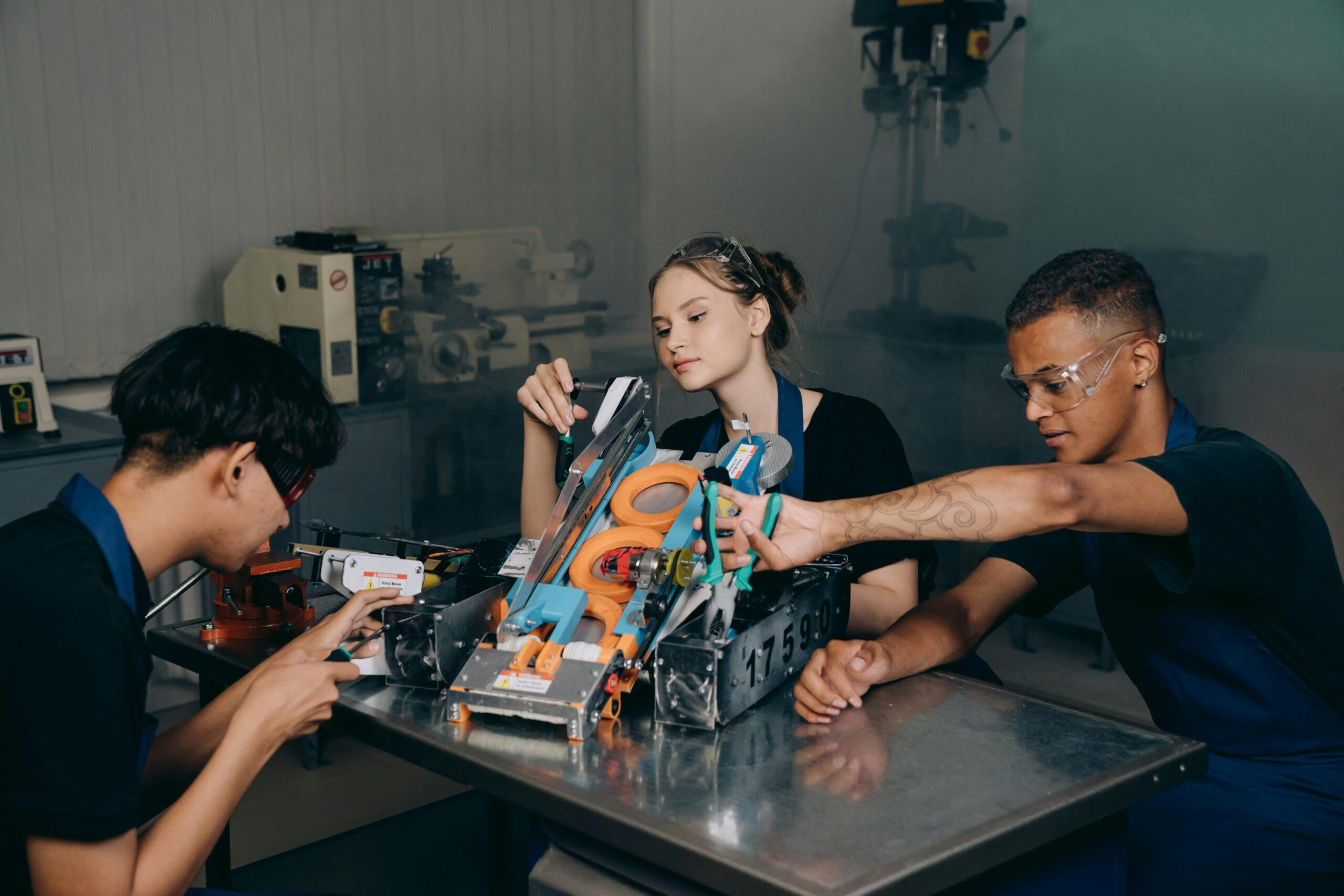
Emotional robotics stands at the crossroads of innovation and humanity, challenging our traditional understanding of morality, empathy, and what it means to connect.

🤖 The Dawn of Machines That Feel (Or Seem To)
We’re living in an era where technology no longer merely computes—it connects. Emotional robotics, also known as affective computing or social robotics, represents a frontier where artificial intelligence meets human psychology. These sophisticated machines are designed to recognize, interpret, and respond to human emotions, creating interactions that blur the line between programmed responses and genuine empathy.
From companion robots for the elderly to therapeutic assistants for children with autism, emotional robotics has evolved far beyond science fiction. Companies worldwide are investing billions into developing machines capable of reading facial expressions, detecting vocal tones, and responding with seemingly appropriate emotional cues. Yet with every advancement comes a fundamental question: just because we can create emotionally responsive machines, should we?
The ethical implications ripple across multiple dimensions of society. We must consider psychological impact, privacy concerns, authenticity of relationships, and the potential for manipulation. As these technologies become increasingly sophisticated and accessible, establishing clear moral guidelines isn’t just advisable—it’s essential.
💭 Understanding the Technology Behind Emotional Intelligence
Before diving into ethical considerations, we need to understand what emotional robotics actually entails. These systems rely on complex algorithms that analyze human behavioral cues through multiple channels. Facial recognition software identifies expressions associated with emotions. Voice analysis detects tonal variations that signal mood changes. Some advanced systems even monitor physiological responses like heart rate or skin temperature.
The robots then process this data through machine learning models trained on vast datasets of human emotional responses. They generate reactions designed to appear emotionally appropriate—offering comfort when sadness is detected, expressing enthusiasm in response to joy, or showing concern when distress is identified.
However, it’s crucial to recognize that these machines don’t actually “feel” emotions in any human sense. They’re performing sophisticated pattern matching and executing programmed responses. This distinction forms the foundation of many ethical debates surrounding the technology.
The Illusion of Empathy
One of the most compelling—and concerning—aspects of emotional robotics is their ability to create convincing illusions of genuine empathy. Humans are naturally predisposed to anthropomorphize objects, attributing human characteristics to non-human entities. When a robot makes eye contact, uses appropriate facial expressions, and responds with seemingly caring words, our brains often process this as authentic emotional connection.
This illusion raises profound questions about the nature of relationships and emotional authenticity. If a person feels comforted by a robot’s programmed compassion, does the artificial nature of that comfort diminish its value? Or does the outcome matter more than the source?
🏥 The Promise: Therapeutic and Care Applications
The potential benefits of emotional robotics in healthcare and therapy are substantial and well-documented. Therapeutic robots like PARO, a seal-shaped companion robot, have demonstrated measurable improvements in patients with dementia, reducing anxiety and improving mood without medication. For children with autism spectrum disorders, robots provide consistent, predictable interactions that help develop social skills in a non-threatening environment.
Elderly care represents another promising application. With aging populations and caregiver shortages in many developed nations, companion robots offer a supplement to human care. They provide medication reminders, monitor health indicators, offer conversation, and alert human caregivers to emergencies. For isolated seniors, these machines can reduce loneliness and provide mental stimulation.
Mental health applications are also emerging. Some therapeutic robots assist in treating anxiety disorders, phobias, and PTSD by providing consistent support during exposure therapy or mindfulness exercises. The non-judgmental nature of robotic interaction can help some patients open up more readily than they might with human therapists initially.
Measurable Outcomes Versus Ethical Concerns
Clinical studies have shown positive results across multiple metrics—reduced stress hormones, improved social engagement, decreased behavioral issues, and enhanced quality of life indicators. These aren’t trivial benefits; they represent genuine improvements in human wellbeing.
Yet these positive outcomes don’t automatically resolve ethical concerns. We must consider whether creating emotional dependence on machines—even beneficial dependence—fundamentally changes something important about human experience and relationships. Are we solving problems or creating new forms of vulnerability?
⚠️ The Perils: Manipulation, Deception, and Dependency
Every technology capable of good can be weaponized for harm, and emotional robotics presents particularly concerning possibilities. These systems are designed specifically to influence human emotional states—a capability with obvious potential for manipulation.
Commercial applications raise immediate red flags. Imagine retail robots designed to detect and exploit emotional vulnerabilities to drive purchases. Marketing systems that recognize when someone is stressed, lonely, or insecure, then craft emotionally manipulative sales pitches targeting those specific states. The technology exists today; the restraint required to prevent its misuse remains uncertain.
Political and social manipulation represents another threat. Emotional robots could be deployed to influence public opinion, spread propaganda more effectively by tailoring emotional appeals to individual psychological profiles, or create echo chambers that reinforce existing biases while appearing to offer friendly, empathetic companionship.
The Deception Problem
At the heart of many ethical concerns lies fundamental deception. When humans interact with emotional robots, they’re often responding as if to genuine emotional entities. The technology is designed to encourage this misperception—eye contact, appropriate facial expressions, empathetic language, and responsive timing all create an illusion of authentic consciousness and emotion.
Is this deception acceptable? Some argue that if the outcome is positive and the user ultimately benefits, the artificial nature of the interaction is irrelevant. Others maintain that authentic relationships require genuine consciousness and that promoting emotional bonds with machines fundamentally undermines human dignity and psychological health.
This debate intensifies when considering vulnerable populations—children, elderly individuals with cognitive decline, or people with mental health challenges. These groups may be less able to maintain awareness of the artificial nature of their robotic companions, raising concerns about exploitation and psychological harm.
🔒 Privacy in the Age of Emotional Surveillance
Emotional robots necessarily collect intimate data about human psychological states. They monitor facial expressions, voice patterns, word choices, and behavioral trends. This data reveals deeply personal information about emotional vulnerabilities, mental health status, relationship dynamics, and psychological patterns.
Who owns this data? How is it stored, secured, and used? Can it be sold to third parties? Might it be accessed by governments, insurance companies, or employers? Current regulations haven’t caught up with these technologies, leaving significant gaps in protection.
The potential for emotional surveillance extends beyond individual privacy concerns. Aggregated emotional data could reveal population-level patterns—collective anxieties, social tensions, or emerging mental health crises. While this information might enable beneficial interventions, it also enables unprecedented social control.
The Consent Challenge
Obtaining meaningful informed consent for emotional data collection presents unique challenges. Users often don’t fully understand what data is being collected or how it might be used. The very populations who might benefit most from emotional robots—young children, elderly individuals, people with cognitive impairments—are least able to provide truly informed consent.
Furthermore, emotional responses are often involuntary. Can you meaningfully consent to having unconscious emotional reactions monitored, analyzed, and stored? The question challenges traditional frameworks for privacy and consent.
👨👩👧👦 Impact on Human Relationships and Social Skills
Perhaps the most profound ethical concern involves long-term impacts on human relationships and social development. If people, especially children, form primary emotional attachments to robots, how does this affect their ability to navigate complex human relationships?
Human relationships involve unpredictability, conflict, compromise, and the challenge of understanding perspectives genuinely different from our own. Robots, by design, are predictable, compliant, and programmed to be agreeable. They don’t have bad days, conflicting needs, or genuine disagreements. They exist to serve human emotional needs without reciprocal expectations.
This asymmetry might feel comforting in the short term but could atrophy skills essential for healthy human relationships. Empathy develops through genuine perspective-taking—recognizing that others have independent experiences, needs, and feelings that sometimes conflict with our own. Can this skill develop through interactions with entities that fundamentally lack independent experiences?
The Social Isolation Paradox
Emotional robots are often proposed as solutions to loneliness and social isolation. Yet critics worry they might exacerbate these problems by providing superficially satisfying substitutes for genuine human connection, reducing motivation to engage in more challenging real relationships.
This concern parallels debates about social media and smartphone use. Technologies intended to connect people can sometimes increase isolation by replacing deeper engagement with shallow interactions. Emotional robots might follow a similar trajectory—offering convenient companionship that ultimately leaves fundamental human needs for authentic connection unmet.
⚖️ Establishing Ethical Guidelines and Governance
Given the complexity of these ethical challenges, comprehensive governance frameworks are essential. Multiple stakeholders—technologists, ethicists, healthcare professionals, policymakers, and users themselves—must collaborate to establish clear guidelines.
Several principles should guide this governance. Transparency represents a foundational requirement. Users must clearly understand when they’re interacting with artificial systems, what data is being collected, and how that data will be used. Deceptive design that encourages users to perceive artificial entities as genuinely conscious should be prohibited.
Vulnerability protection demands special attention. Strict regulations should govern emotional robotics deployed with children, elderly individuals, or people with cognitive or mental health challenges. These populations require additional safeguards against exploitation and psychological harm.
Data protection and privacy must be prioritized. Emotional data should be treated as highly sensitive personal health information with corresponding security requirements and usage limitations. Users should retain ownership and control over their emotional data with clear rights to access, deletion, and transfer.
Professional Standards and Accountability
Developers and deployers of emotional robotics should be held to professional standards similar to those governing healthcare providers and therapists. Professional certification, ongoing ethical training, and accountability mechanisms should be mandatory. When emotional robots are used in therapeutic contexts, qualified human professionals must maintain oversight.
Regular ethical audits should assess systems for manipulative design, bias, privacy vulnerabilities, and psychological safety. Independent review boards should evaluate new applications before deployment, particularly in sensitive contexts involving vulnerable populations.
🌍 Cultural Perspectives and Global Variations
Ethical considerations around emotional robotics aren’t culturally neutral. Different societies hold varying perspectives on relationships, emotion, technology, and the boundary between human and machine.
In Japan, where emotional robotics are most advanced and widely deployed, cultural attitudes toward robots differ significantly from Western perspectives. Shinto traditions attribute spiritual essence to objects, creating less rigid boundaries between living and non-living entities. Robot companions are often more socially accepted and less ethically concerning than in cultures with stricter human-machine distinctions.
Western philosophical traditions emphasizing individual autonomy and authentic relationships may generate different ethical frameworks than collectivist cultures prioritizing social harmony and practical outcomes. Religious perspectives vary widely—some traditions view creation of human-like emotional entities as problematic, while others focus primarily on beneficial outcomes.
These cultural variations complicate efforts to establish universal ethical standards. Global governance frameworks must balance universal human rights principles with cultural sensitivity and local autonomy.
🔮 Looking Forward: Navigating Uncertain Futures
Emotional robotics technology will continue advancing rapidly, likely outpacing regulatory and ethical frameworks. Within the next decade, we’ll see increasingly sophisticated systems capable of more nuanced emotional interactions, deployed in expanding contexts—education, customer service, entertainment, and beyond.
This trajectory makes current ethical deliberation crucial. The frameworks we establish today will shape tomorrow’s technological landscape and social norms. We must thoughtfully consider what kind of future we’re creating—one where technology genuinely enhances human flourishing or one where convenience and efficiency gradually erode essential aspects of human experience.
The path forward requires balancing openness to beneficial innovation with appropriate caution about unintended consequences. We should neither reflexively reject emotional robotics based on unfounded fears nor enthusiastically embrace every application without careful ethical scrutiny.
Empowering Informed Choice
Ultimately, diverse approaches will likely coexist. Some individuals and communities will embrace emotional robotics extensively; others will choose minimal engagement. Respecting this diversity while protecting vulnerable populations requires robust frameworks for informed consent, transparent design, and user autonomy.
Education plays a vital role. People need understanding of how these technologies work, what data they collect, and what psychological effects they might produce. Digital literacy must expand to encompass emotional technology literacy—the ability to critically evaluate artificial emotional interactions and make informed choices about engagement.
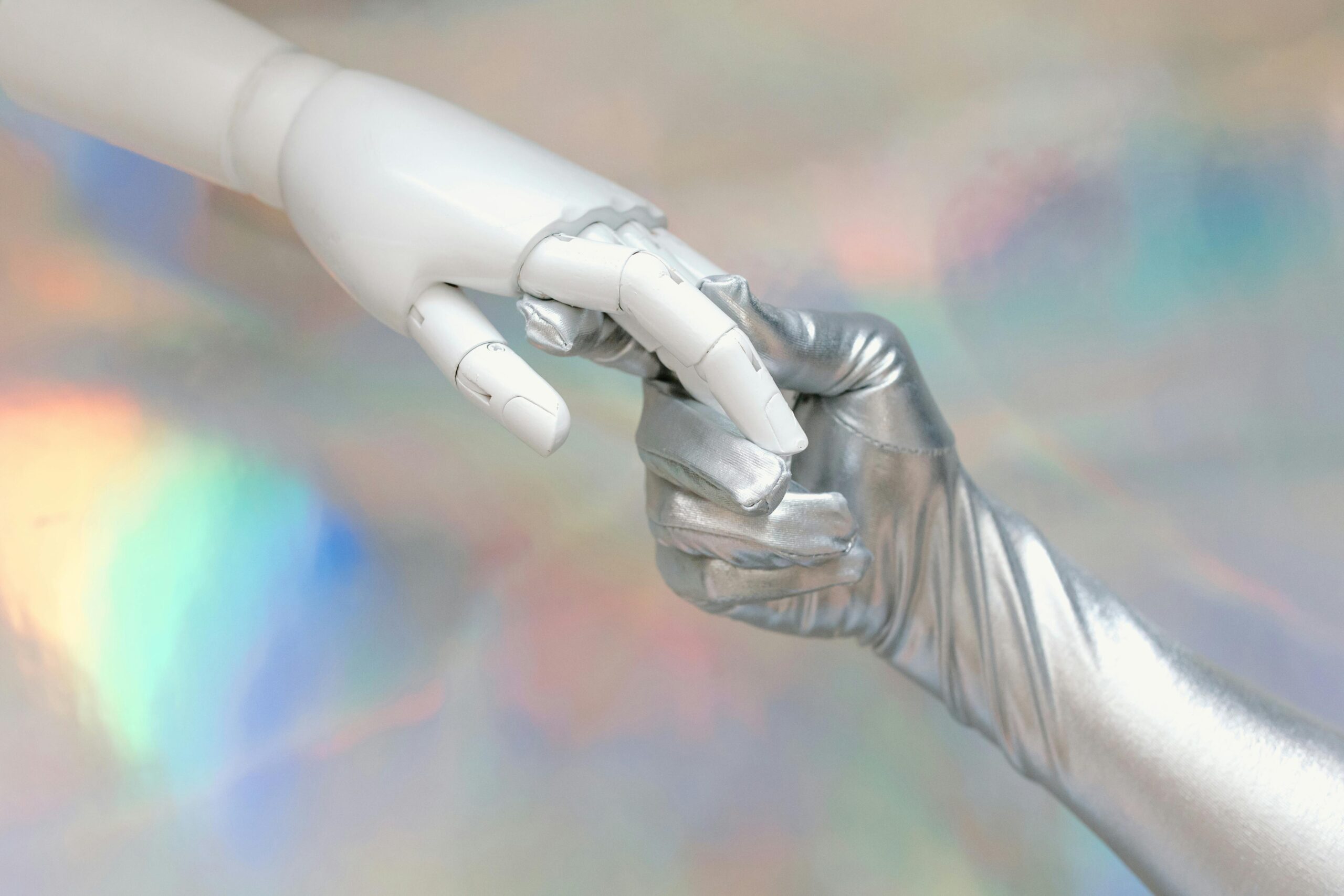
🎯 Finding Balance in the Human-Machine Emotional Landscape
The ethics of emotional robotics resist simple answers. These technologies present genuine opportunities to enhance human wellbeing—providing care, reducing suffering, and expanding therapeutic options. Simultaneously, they pose real risks of manipulation, deception, privacy violation, and fundamental changes to human social development.
Our moral compass must guide us toward applications that genuinely serve human flourishing while rejecting those that exploit vulnerabilities or undermine essential human capacities. This requires ongoing dialogue, adaptive governance, and willingness to constrain innovation when ethical concerns outweigh benefits.
The question isn’t whether emotional robotics will become part of our world—they already are. The question is what role we’ll allow them to play, what boundaries we’ll establish, and how we’ll preserve what’s most valuable about human emotional experience in an increasingly technological age. These decisions will define not just our relationship with machines, but our understanding of ourselves and each other.
As we navigate this complex landscape, humility is essential. We’re making choices whose full consequences won’t be apparent for decades. We should proceed thoughtfully, remain open to course correction, and prioritize the wellbeing of the most vulnerable among us. The future of emotional robotics is still being written—and we’re all holding the pen. ✨