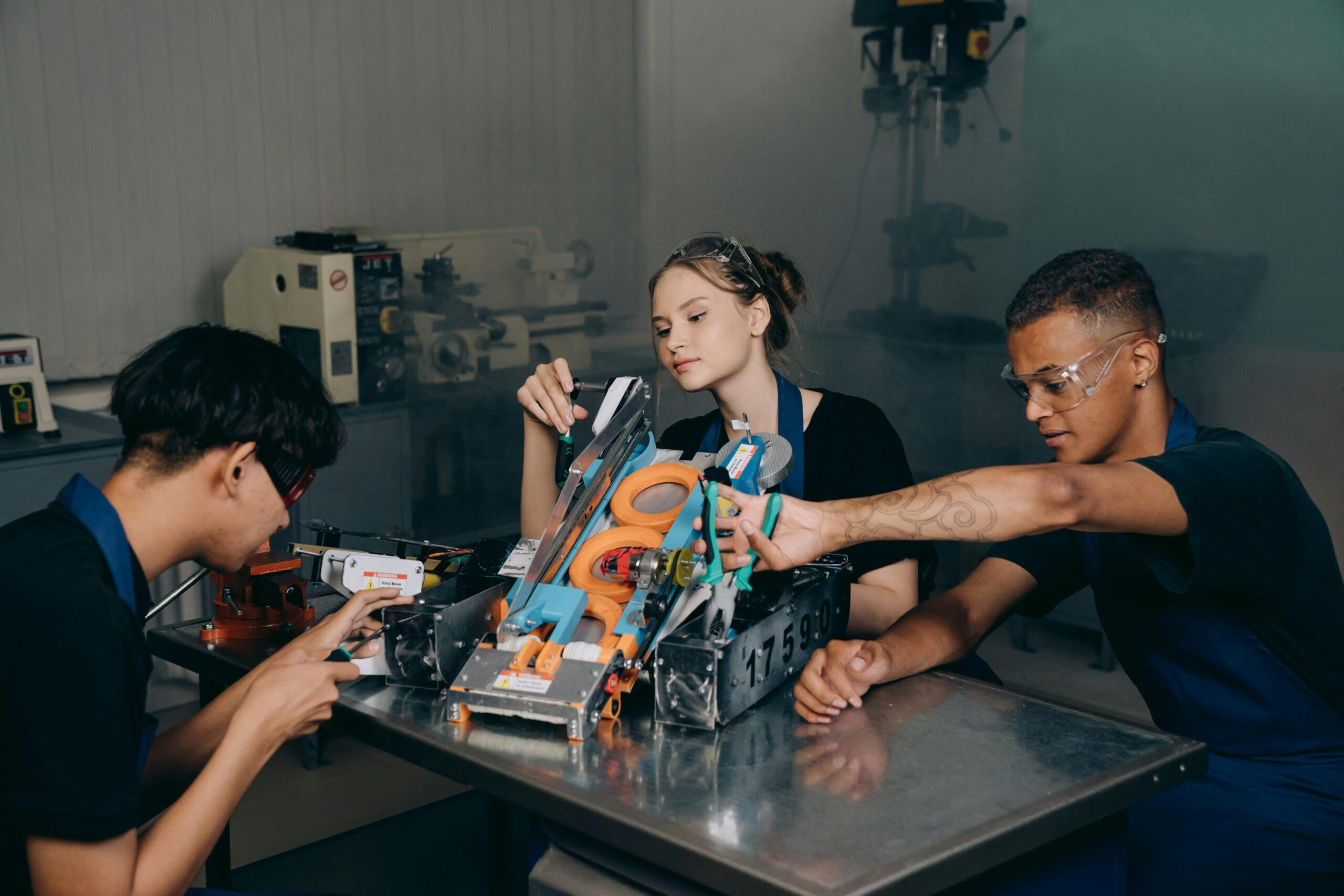
As robots become integral to daily life, ensuring safe human-robot interaction is no longer optional—it’s essential for our shared future.

The landscape of robotics has transformed dramatically over the past decade. From manufacturing floors to hospital corridors, from autonomous vehicles navigating city streets to robotic companions assisting the elderly, machines are increasingly sharing our physical and social spaces. This convergence of human and robotic worlds presents unprecedented opportunities alongside equally significant challenges. The promise of enhanced productivity, improved quality of life, and solutions to some of humanity’s most pressing problems hinges on one critical factor: our ability to create safe, reliable, and intuitive interactions between humans and robots.
The stakes have never been higher. As we stand at this technological crossroads, the decisions we make today about safety protocols, ethical guidelines, and design principles will shape the trajectory of human-robot coexistence for generations to come. This isn’t merely about preventing accidents or technical failures—it’s about building trust, establishing norms, and creating a framework that allows both humans and robots to thrive together.
🤖 The Current State of Human-Robot Collaboration
Today’s robotics landscape represents a fascinating mosaic of applications and capabilities. Industrial robots have evolved from caged machines performing repetitive tasks to collaborative robots, or “cobots,” working side-by-side with human workers. These machines can sense human presence, adjust their speed and force, and even learn from human demonstrations. In healthcare, surgical robots provide surgeons with unprecedented precision, while rehabilitation robots help patients regain mobility after injuries or strokes.
Service robots have entered our homes as vacuum cleaners, lawn mowers, and increasingly sophisticated assistants. Delivery robots navigate sidewalks in multiple cities worldwide, while autonomous vehicles inch closer to widespread deployment. Each of these applications requires different safety considerations, yet all share common principles that must be addressed to ensure harmonious human-robot interaction.
The COVID-19 pandemic accelerated robot adoption in unexpected ways. Disinfection robots, telepresence devices, and contactless delivery systems became essential tools in minimizing viral transmission. This rapid deployment highlighted both the potential and the pitfalls of rushing technology into service without adequate safety frameworks and user training.
Understanding the Safety Challenge 🛡️
Human-robot safety encompasses multiple dimensions that extend far beyond simple physical protection. While preventing collisions and injuries remains paramount, psychological safety, data security, and ethical considerations form equally important components of the safety equation. A truly safe human-robot interaction must address all these elements simultaneously.
Physical Safety: The Foundation
Physical safety represents the most obvious and immediately critical aspect of human-robot interaction. Robots, particularly industrial models, possess considerable mass and can generate substantial forces. A collision between a fast-moving robot arm and a human worker can result in serious injury or death. Traditional safety approaches relied on physical separation—placing robots behind barriers or in cages. However, this approach contradicts the very premise of collaborative robotics, where humans and machines must work in close proximity.
Modern safety systems employ multiple layers of protection. Force and torque sensors allow robots to detect unexpected contact and immediately stop or retract. Vision systems create virtual safety zones, slowing or halting robot motion when humans enter designated areas. Compliant actuators and soft materials reduce injury severity if contact occurs. These technologies work in concert to create what engineers call “inherently safe” systems—robots that are safe by design rather than merely protected by external safety measures.
Cognitive and Psychological Dimensions
Beyond physical safety lies the equally important realm of psychological and cognitive safety. Humans must feel comfortable working alongside robots, trusting that these machines will behave predictably and appropriately. Unpredictable robot behavior, even if not physically dangerous, can create stress, anxiety, and resistance to adoption. Research has shown that workers who don’t trust their robotic colleagues are less productive and more likely to disengage safety systems—ironically creating greater hazards.
The challenge intensifies when robots operate in social contexts. Social robots designed to interact with children, elderly individuals, or vulnerable populations must navigate complex emotional landscapes. A robot that misreads social cues, responds inappropriately to distress, or fails to recognize dangerous situations could cause psychological harm even without physical contact.
Key Technologies Enabling Safer Interaction ⚙️
The evolution toward safer human-robot interaction relies on several converging technological advances. These innovations address different aspects of the safety challenge, creating a comprehensive protective ecosystem around human-robot collaboration.
Advanced Sensing and Perception
Modern robots employ sophisticated sensor arrays that provide comprehensive environmental awareness. LiDAR systems create detailed three-dimensional maps of surroundings, updating in real-time to track moving objects and people. High-resolution cameras coupled with computer vision algorithms enable robots to recognize humans, interpret gestures, and even assess emotional states through facial expression analysis.
Tactile sensors embedded in robot surfaces allow machines to feel contact, distinguishing between intentional touches and accidental collisions. Some advanced systems can even detect human proximity through capacitive sensing before physical contact occurs, enabling preemptive safety responses. This multi-modal sensing approach provides redundancy—if one system fails, others maintain safety functions.
Artificial Intelligence and Predictive Safety
Artificial intelligence transforms robots from reactive machines into proactive safety partners. Machine learning algorithms analyze patterns in human behavior, predicting movements and intentions to avoid potential conflicts. Reinforcement learning enables robots to continuously improve their safety performance based on experience, adapting to specific work environments and individual human colleagues.
Predictive models assess risk in real-time, adjusting robot behavior dynamically. A robot might slow down when working near a novice operator but maintain full speed with experienced colleagues. These systems can detect fatigue, distraction, or unusual behavior patterns that might indicate increased accident risk, alerting supervisors or modifying operations accordingly.
Natural and Intuitive Communication
Effective communication forms the cornerstone of safe collaboration. Robots must clearly convey their intentions, status, and limitations to human partners. Visual indicators like LED lights show operational status—green for normal operation, yellow for caution, red for stopped or error states. Audible cues provide warnings without requiring visual attention, crucial in noisy industrial environments.
Advanced systems employ natural language processing, enabling voice-based interaction that feels intuitive and human-like. Gesture recognition allows workers to direct robots through hand signals, while augmented reality displays overlay robot intentions and planned movements onto the physical workspace, creating shared situational awareness between human and machine.
Regulatory Frameworks and Standards 📋
Technology alone cannot ensure safety—comprehensive regulatory frameworks and industry standards provide essential structure for safe human-robot interaction. These guidelines establish minimum safety requirements, testing protocols, and certification processes that manufacturers must meet before deploying robots in human-occupied spaces.
The International Organization for Standardization (ISO) has developed several key standards governing robot safety. ISO 10218 addresses industrial robots, while ISO 13482 covers personal care robots. These standards define safety requirements across the robot lifecycle, from design and manufacturing through operation and maintenance. Compliance requires rigorous testing and documentation, ensuring robots meet established safety benchmarks.
Regional regulations add additional layers of requirements. The European Union’s Machinery Directive establishes strict safety requirements for equipment including robots. In the United States, organizations like OSHA (Occupational Safety and Health Administration) provide workplace safety guidelines that incorporate robotic systems. Japan, with its aging population and extensive robot deployment, has developed comprehensive frameworks specifically addressing service and care robots.
However, regulation struggles to keep pace with rapid technological advancement. Autonomous vehicles, drones, and AI-powered systems challenge existing regulatory frameworks designed for more predictable technologies. Policymakers worldwide grapple with balancing innovation against safety, seeking approaches that protect public welfare without stifling beneficial technological progress.
Designing for Human-Centered Safety 🎯
The most effective safety strategies place human needs, capabilities, and limitations at the center of robot design. This human-centered approach recognizes that safety emerges from the interaction between human and robot—not from the robot alone. Understanding human psychology, ergonomics, and behavior patterns enables designers to create robots that naturally align with human expectations and capabilities.
Transparency and Explainability
Humans work safely with robots when they understand robot capabilities and limitations. Transparent design makes robot decision-making processes visible and comprehensible. Rather than operating as inscrutable black boxes, well-designed robots explain their actions, acknowledge uncertainties, and clearly communicate when they encounter situations beyond their capabilities.
Explainable AI represents a crucial frontier in safe human-robot interaction. As robots employ increasingly sophisticated machine learning systems, ensuring humans can understand why robots make particular decisions becomes essential. A delivery robot that suddenly changes route should explain whether it detected an obstacle, received updated instructions, or identified a more efficient path. This transparency builds trust and enables humans to effectively supervise and collaborate with robotic systems.
Fail-Safe Design Principles
All systems eventually fail—robust safety design anticipates failures and ensures robots remain safe even when components malfunction. Redundant sensors provide backup if primary systems fail. Independent emergency stop circuits operate separately from main control systems, ensuring humans can always halt robot operation. Power and motion limitations prevent robots from exceeding safe force or speed thresholds even if software controls malfunction.
Graceful degradation allows robots to continue operating safely with reduced functionality when problems occur. A robot that loses one camera might slow down and restrict its working envelope rather than shutting down completely. This approach maintains productivity while preserving safety, recognizing that complete shutdown might itself create hazards in time-critical applications.
The Human Factor in Robot Safety 👥
Technology and design create the potential for safe human-robot interaction, but realizing that potential requires proper human training, awareness, and engagement. Workers must understand robot capabilities, recognize safety indicators, and follow established protocols. Organizations must foster safety cultures where reporting concerns and near-misses is encouraged rather than punished.
Training programs must evolve beyond basic operation to include safety awareness, emergency procedures, and collaborative strategies. Workers need hands-on experience with robots in controlled environments before working alongside them in production settings. Simulation and virtual reality offer powerful tools for safe, realistic training experiences without physical risk.
Individual differences matter significantly. Age, experience, cultural background, and personal comfort with technology all influence how people interact with robots. Effective safety systems accommodate this diversity rather than assuming uniform human behavior. Adjustable interaction modes, personalized interfaces, and adaptive automation levels allow robots to match individual human needs and preferences.
Ethical Considerations and Social Implications 🌍
Safe human-robot interaction extends beyond immediate physical safety to encompass broader ethical and social dimensions. As robots assume roles in education, healthcare, security, and social care, questions arise about appropriate robot capabilities, decision-making authority, and accountability when problems occur.
Privacy concerns intensify as robots equipped with cameras and sensors move through private spaces, potentially collecting sensitive personal information. Data security becomes a safety issue—compromised robots could be weaponized against the humans they’re meant to serve. Clear policies governing data collection, storage, and usage must accompany robot deployment in sensitive contexts.
The question of responsibility when robots cause harm remains contentious. Is the manufacturer liable? The operator? The organization that deployed the robot? The robot itself? Legal frameworks worldwide grapple with these questions, seeking approaches that ensure accountability while supporting beneficial innovation. Some jurisdictions explore concepts like electronic personhood, while others maintain traditional liability frameworks.
Employment impacts represent another crucial social safety consideration. While robots can eliminate dangerous, repetitive, or physically demanding work, they also displace human workers. Ensuring safe workforce transitions, providing retraining opportunities, and maintaining meaningful human employment constitute essential elements of socially responsible robot deployment.
Looking Forward: Emerging Challenges and Opportunities 🚀
The future of human-robot interaction promises both exciting possibilities and new safety challenges. Swarm robotics—coordinating multiple robots to accomplish complex tasks—introduces emergent behaviors difficult to predict or control. Soft robotics, using flexible materials inspired by biological organisms, offers inherently safer physical interaction but presents new control and reliability challenges.
Brain-computer interfaces could eventually enable direct mental control of robots, offering unprecedented integration but raising profound questions about safety, autonomy, and identity. Quantum computing might enable robots with dramatically enhanced perception and decision-making capabilities, requiring entirely new safety frameworks.
Artificial general intelligence—if achieved—would fundamentally transform human-robot interaction. Robots with human-level or superhuman intelligence would be partners rather than tools, collaborators with their own interests and perspectives. Ensuring safe interaction with such entities would require not just technical safety measures but ethical frameworks governing relationships between human and artificial minds.
Building Trust for Tomorrow’s Partnership 🤝
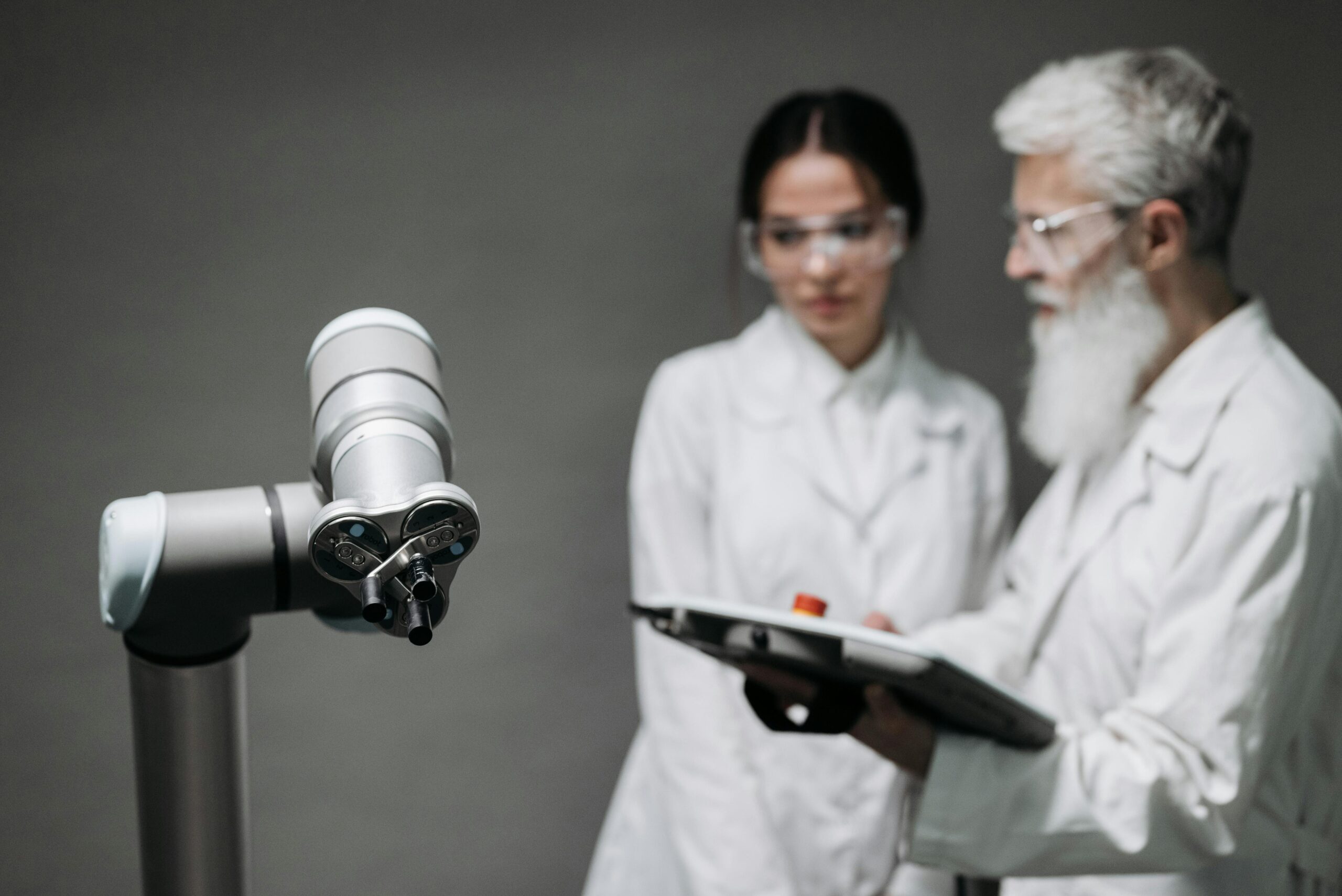
The future of human-robot interaction ultimately rests on trust. Technical safety measures, regulatory frameworks, and ethical guidelines create the foundation, but trust emerges from positive experiences, demonstrated reliability, and transparent operation over time. Building this trust requires sustained commitment from manufacturers, regulators, employers, and society at large.
Public engagement and education play crucial roles in fostering acceptance and understanding. People need opportunities to experience robots firsthand, ask questions, and voice concerns. Demonstration projects, public exhibitions, and educational programs can demystify robotics while gathering valuable feedback to improve safety and usability.
Cross-disciplinary collaboration brings together engineers, psychologists, ethicists, policymakers, and end users to create comprehensive safety solutions. No single perspective captures the full complexity of human-robot interaction—progress requires integrating diverse expertise and viewpoints.
As we navigate this transition toward increasingly intimate human-robot collaboration, maintaining focus on human welfare, dignity, and flourishing must remain paramount. Robots should enhance human capabilities, protect human safety, and serve human values. The technology exists to create this positive future—the challenge lies in maintaining commitment to these principles as capabilities expand and applications multiply.
The journey toward seamless, safe human-robot interaction has begun, but much work remains. Success requires technical innovation, thoughtful regulation, ethical reflection, and social adaptation. By addressing these challenges comprehensively and collaboratively, we can unlock the tremendous potential of human-robot partnership while ensuring the safety and wellbeing of all. The future we’re building is one where humans and robots work together, each contributing unique strengths to create outcomes neither could achieve alone—a future worth pursuing with both enthusiasm and care.